Water damage is an emergency. Call any hour. 971-940-4528

24-hour emergency response · Portland, Oregon

Structural drying in Portland, measured in the wood

A room can feel dry while the framing inside the wall is still soaked. That's how mold starts behind paint that looks fine. We measure the wood, not the air, and you get the readings in writing every day.

Structural drying

How we dry a house

Step 1

Map the moisture

Moisture meter readings across walls, floors and framing to find where the water actually went.

Step 2

Mark reading points

Spots in the framing are marked and photographed, so every day's reading comes from the same place.

Step 3

Size the equipment

Low-grain dehumidifiers and air movers matched to the room, inside containment when the job calls for it.

Step 4

Log it daily

Temperature, humidity and moisture in the wood, written down every day. Equipment leaves at 16 percent or lower, held two days running.
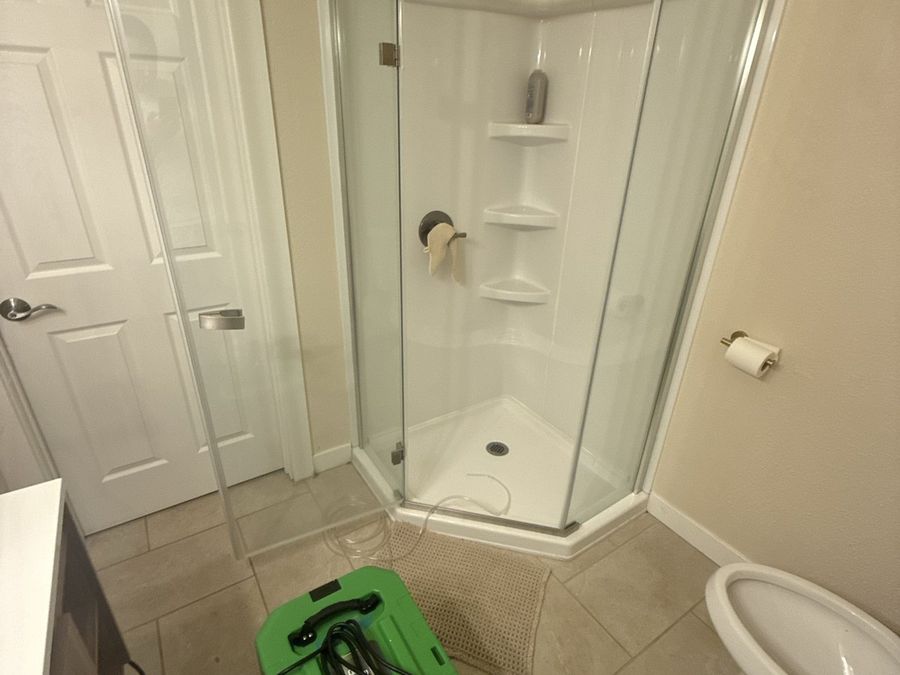
Dehumidifier and air movers running inside a contained bathroom during structural drying
Running inside containment.
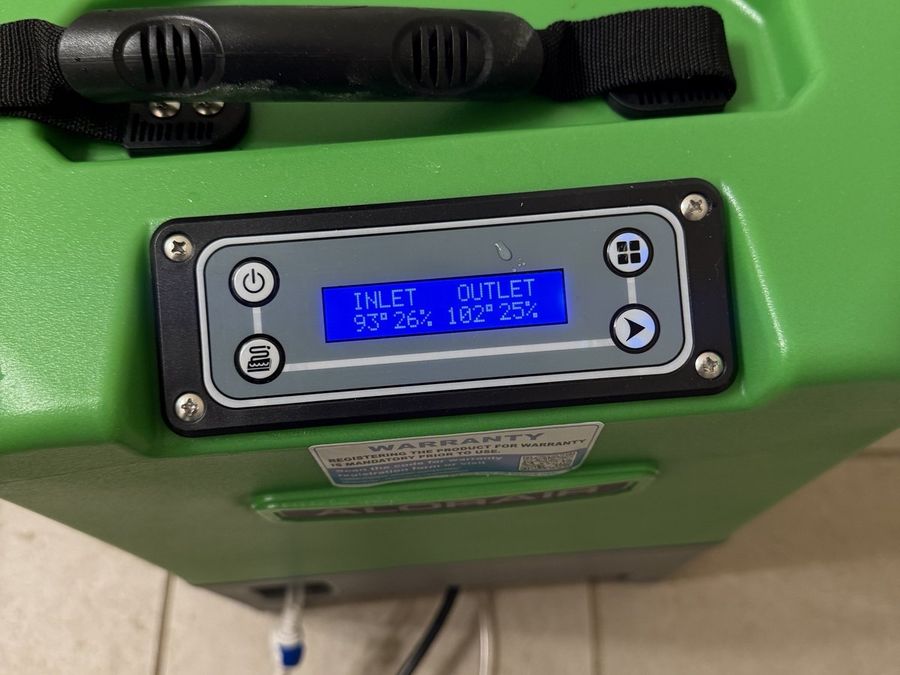
A dehumidifier display showing inlet and outlet temperature and humidity readings
Readings off the machine go in the log.

Things that can't dry in place

Tile floors
Tile and its setting bed act as a vapor barrier. If water got underneath, the tile usually has to come up to dry the subfloor.
Shower pans
Water under a shower base can't be measured or dried while the base is in. We tell you before you pay for drying that can't reach it.
Vinyl and laminate
Water sits under both. Some can be lifted and relaid; much of it can't.

While we dry: do

  • Keep doors to the drying area closed.
  • Leave the equipment running, even at night.
  • Keep the thermostat between 70 and 80 degrees if you can.
  • Call us if a breaker trips or a machine stops.

Don't

  • Turn off or unplug dehumidifiers or air movers.
  • Open windows on wet Portland days. It adds moisture.
  • Move the equipment around.
  • Put furniture back on a wet floor.

Why a daily log matters

Questions

Structural drying: common questions

How long does structural drying take?

Usually three to five days for a typical room. Dense materials like hardwood, plaster or framing that sat wet for a while take longer.

Why is the equipment so loud?

Air movers push air across wet surfaces to speed evaporation, and dehumidifiers pull that moisture out of the air. Both run around the clock.

What does dry mean?

For framing, 16 percent moisture or lower, holding two days in a row at every marked point. Other materials are compared to dry areas of the same house.

Can I stay in the house while it dries?

Usually, for clean water. The work area is sealed off. Sewage or heavy mold can mean staying elsewhere for a few days.

Serving Portland and the metro

Within about an hour's drive of our office at 830 NE Holladay Street. Just outside the list? Call anyway.

Other services

One number, any hour.

Restoring Northwest Services LLC · Licensed, bonded, insured · Oregon CCB 258376

Call 971-940-4528